NBC Television
Dum-de-la-dum de-la-dum de-la-dum de-la-DAH-DAAAAHH! Ahh…that catchy theme song…which is about all I remember of this long-running TV show. Westerns just weren’t my thing, back then.
BUT – present day, there it is on YouTube (link below), albeit a rather fuzzy episode capture. But what do ya expect for free, huh? ;p Sierra Railroad #3, an 1891 Rogers 4-6-0 stars as “Virginia & Truckee #3″ pulling Sierra’s “shorty” coach #6, and a wooden boxcar with “MW24” reporting marks.
There is only one, seven minute train scene in this Season 14 Episode 9 feature, but it’s a doozy, with Little Joe (played by Michael Landon) racing his gift horse from Ben (played by Lorne Greene) alongside a speeding train. And, no, he didn’t look his gift horse in the mouth (groan).
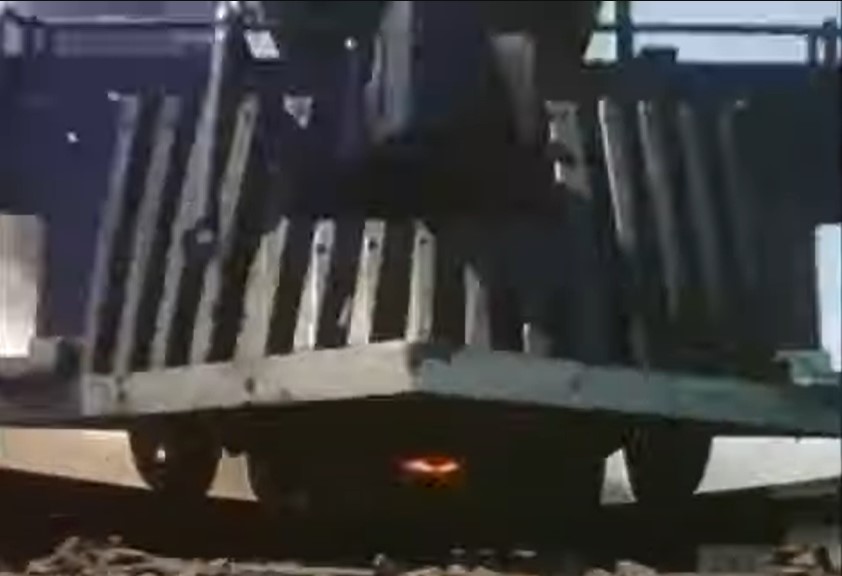
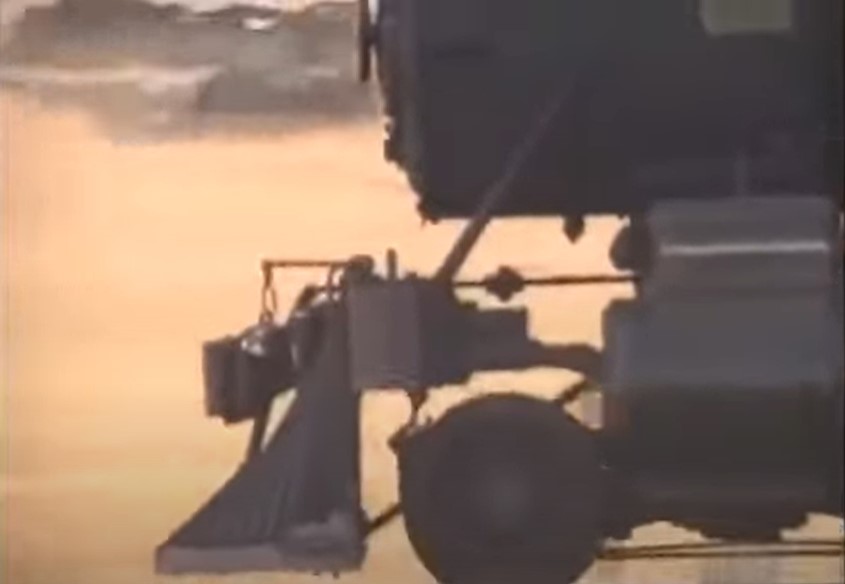
The only down side to the train scene is almost the entire thing was filmed back-lit. SO. We’ll start things off with a couple artsy-fartsy close ups of our favorite ten-wheeler.
The cameraman zooms in on Sierra #3’s steel cowcatcher and profile up to the middle of the boiler. Nice, underside view of the flames from her firebox, though.
Continue reading
 More Obscure Train Movies